 |
| http://consciouslifenews.com/how-to-open-third-eye-pineal/1138045/ |
Hi Mom,
We should have worked on opening your pineal gland before you passed away.
Sort of kidding.
Mainly, just putting this stuff here for future reading. I have read the pineal gland article I am reposting, and skimmed the rest the other night when I couldn't sleep.
Good stuff here.
Considering a subscription to Conscious Lifestyle Magazine. Wish it had a print version. I spend too much time looking at screens.
http://www.consciouslifestylemag.com/qigong-exercises-healing-energy/
http://www.consciouslifestylemag.com/pga-sound-healing/
http://www.consciouslifestylemag.com/ten-stages-of-meditation-complete-guide/
http://www.consciouslifestylemag.com/brain-gut-connection-mind/
Tryptophan is plentiful in many foods including chocolate, seaweed, almonds, bananas, dried dates, sesame seeds, chickpeas, and peanuts.
 |
| https://3rdeyevision.org/2013/04/21/pineal-gland-detox-and-activation/ |
and the text below:
http://www.consciouslifestylemag.com/pineal-gland-activation-third-eye/
+++++++++++++++++++++++++++++++++++++++++++++++++++++++++++++++++++++++
+++++++++++++++++++++++++++++++++++++++++++++++++++++++++++++++++++++++
+++++++++++++++++++++++++++++++++++++++++++++++++++++++++++++++++++++++
 |
| http://untoldtruthforhumanity.blogspot.com/2013/04/how-to-decalcify-your-pineal-gland.html |
Opening the Third Eye: Powerful Ancient Practices for Activating the Pineal Gland and Expanding Consciousness
BY MANTAK CHIA & JOYCE THOM
The Fundamentals of Pineal Gland Activation: Balancing the Endocrine System
In both Craniosacral Work and Daoist practice, the endocrine system is a critical gateway joining physical function with spiritual experience. The endocrine system includes the following glands: the pituitary,
pineal, hypothalamus, thyroid, parathyroid, adrenals, pancreas, and ovaries/testes. These glands use hormones (rather than the electrical impulses used by the nervous system) to effect changes in our body, emotions, cognition, and energy. Hormones are chemical messengers that circulate through the body via the bloodstream and coordinate critical body functions. They increase or reduce nerve impulses and can also act as neurotransmitters.
The hypothalamus, pituitary, and pineal glands play particularly important roles in spiritual experience and will be explored in greater detail in the sections that follow.
The Hypothalamus/Pituitary Relationship
With access to both the nervous and endocrine systems, the hypothalamus plays a central role in linking the two and in activating the pineal gland. It is also connected with the limbic system, a center for our feelings and emotions. When entrained with the pituitary gland, the hypothalamus therefore has the ability to affect most of the major systems and organ functions in the body as well as our emotions. Together, the hypothalamus and pituitary regulate all of our basic survival processes including body temperature, hunger, thirst, fatigue, growth, sleep, weight, sexual function, pain relief, blood pressure, circadian rhythms, and stress responses such as fight or flight.
The hypothalamus is about the size of an almond and is located just behind the optic chiasm. It secretes neurohormones that communicate with the pituitary gland, signaling the release or inhibition of key pituitary hormones, which in turn harmonize and activate pineal gland function.

The pituitary gland has two major lobes, which are distinctly different embryologically, anatomically, and functionally. Altogether, the pituitary is about the size of a pea; it sits below the hypothalamus, cradled in the sella turcica of the sphenoid bone. Because the pituitary is enclosed by the sphenoid, it is highly sensitive to misalignments or restrictions in the movement of that bone. If you press your tongue to the roof of your mouth at the soft palate, you are pressing on the underside of the pituitary.
The hypothalamus communicates with the anterior lobe of the pituitary via blood vessels, and connects directly with the posterior lobe through the pituitary stalk or infundibulum. Although the pituitary gland has often been referred to as the master gland because it appears to control the endocrine system, the hypothalamus plays a more crucial role in this system than previously thought. The hypothalamus receives and integrates information from the rest of the body and then secretes the neurohormones that release or inhibit key pituitary hormones. By signaling and directing the pituitary, the hypothalamus plays a critical part in the endocrine system and is important in a larger sense for pineal gland activation.
Functions of the Pituitary in Physical Health and Spiritual Awakening
The anterior lobe of the pituitary secretes seven key hormones that are related to lactation, the release of testosterone, and the production of sex, thyroid, and human growth hormones. The posterior lobe does not produce hormones, but stores and releases two important ones made in the brain: oxytocin and vasopressin. Oxytocin fosters maternal instincts, bonding between mates, trust, and sexual pleasure. Vasopressin influences circadian rhythms, the reabsorption of water into the bloodstream, and also stimulates paternal protective and caring instincts.
The pituitary relates to our growth and its health is also important for pineal gland activation. When it begins to vibrate in synchrony with the pineal gland, we are inspired to grow and renew ourselves both physically and spiritually.
The Pineal Gland
The pineal gland is located in the center of the brain, behind and above the pituitary gland. Because the pineal is bathed in highly charged cerebrospinal fluid (CSF) and has more blood flow per cubic volume than any other organ, it may well be the gland with the highest concentration of energy in the body. In addition to its high concentrations of CSF and blood, the pineal gland is also the dominant source of the body’s melatonin.
Melatonin and the Pineal Gland
Melatonin is significant for its effects on our mood, immune function, circadian rhythms, and the quality and quantity of our sleep. Melatonin is known as an anti-aging and anti-stress agent because it both suppresses cortisol and is a powerful antioxidant.
The production of melatonin by the pineal gland is activated by darkness and inhibited by light. Once released, melatonin circulates through the brain via the CSF and enters nearby blood vessels for distribution to the rest of the body. When melatonin levels are disrupted, people can experience mood swings, depression, and seasonal disorders.
Serotonin and Other Consciousness Enhancing Neurochemicals Secreted by the Pineal GlandIn addition to producing melatonin, a healthy, activated pineal gland also metabolizes other neurochemicals that coordinate physical and emotional processes on a cellular level. These neurochemicals, including pinoline and DMT, are said to connect the mind and body. The pineal plays a key role in the production of these neurochemicals because it has one of the highest concentrations of serotonin in the body, and serotonin is a critical precursor to them.
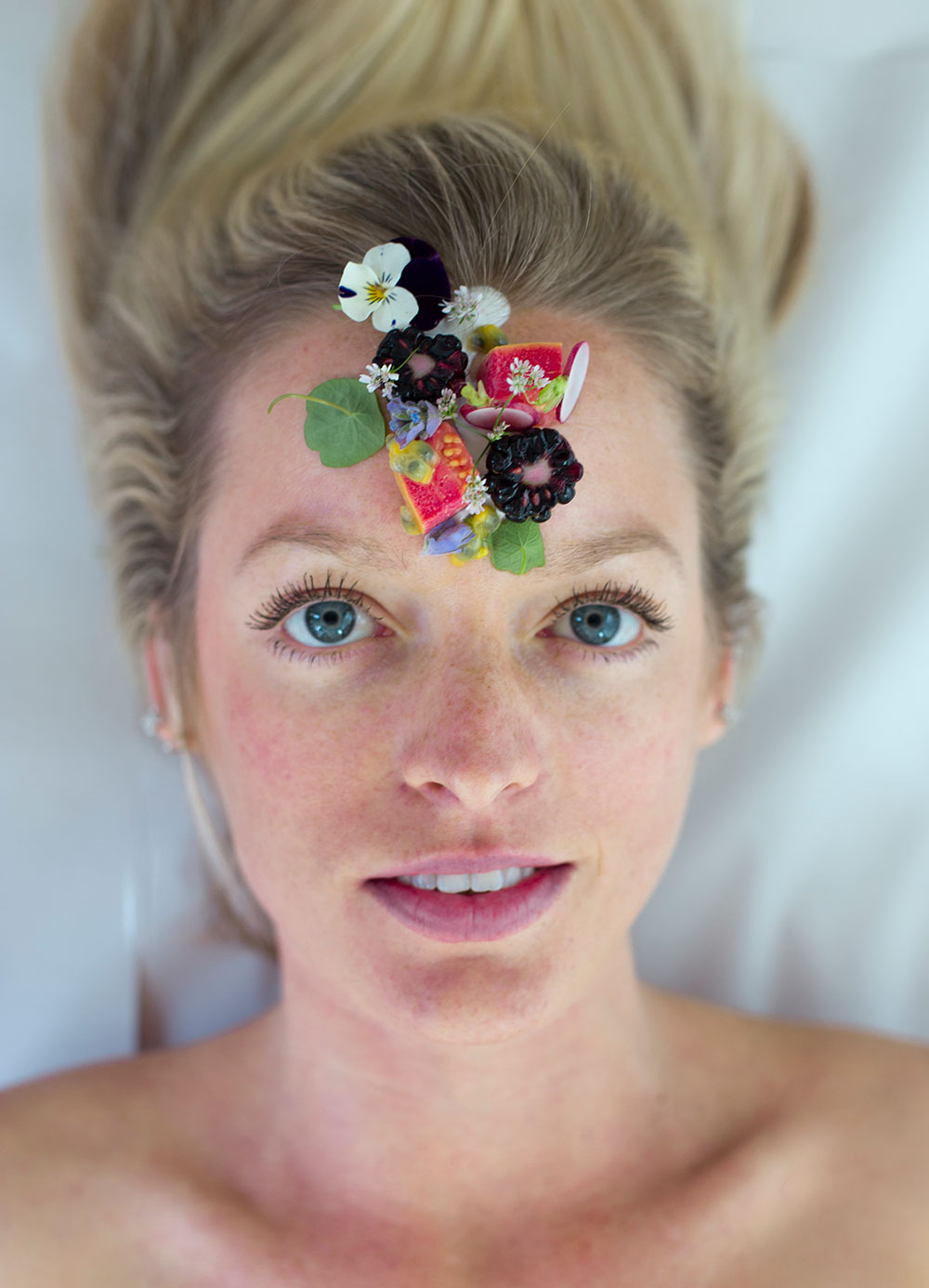 pineal gland activation causes the brain to secrete consciousness expanding biochemicals which are believed by ancient spiritual traditions to open the third eye. photo: nitsa citrine
Spiritual Aspects of the Pineal GlandGiven its important role, it is not surprising that a healthy, activated pineal gland has been connected with spirituality for millennia. Its pinecone shape is found in art and artifacts of many ancient traditions, where it is associated with enlightenment and immortality. Ancient Egyptians revered this tiny gland and even preserved it separately during the process of mummification.
With its spines and spirals, the pinecone illustrates a perfect Fibonacci sequence—symbolizing growth and the unifying force that underlies creation, all embodied in an activated pineal gland.
The Pineal Gland: Key to Opening the Third Eye
Spiritual traditions associate and activate pineal gland with the opening of the third eye of inner vision, insight, and wisdom. Scientific research is beginning to validate the relationship between the pineal gland and vision: comparative research into the anatomy, physiology, and biochemistry of the pineal gland and the retina across a wide range of animal species suggests that the two organs share evolutionary and developmental paths. Modern living fossils such as the tuatara have a photosensitive pineal eye with a rudimentary lens, cornea, and retina. Other species such as frogs and lampreys also have pineal eyes. In humans, pineal cells resemble retinal cells in composition and in the presence of proteins not found elsewhere in the body. Pineal light sensitivity is common across diverse species and in humans is connected with the opening of the third eye.
Melatonin and the Spirit MoleculesIn terms of spiritual experience, melatonin quiets the body and mind, allowing access to higher consciousness. Both pinoline and DMT, secreted by a healthy, activated pineal gland, are psychoactive, causing changes in perception, mood, consciousness, cognition, and behavior. Pinoline enables visions and dream states in the conscious mind and has been used by ancient Egyptians and Zoroastrians in their rituals. It assists in DNA replication and is said to resonate with the pulse of life at ~8 cycles per second.
DMT is produced in the pineal gland during deep meditation and extraordinary conditions of birth, sexual ecstasy, extreme physical stress, and near-death experiences. It also alters our dream consciousness when it is released into the bloodstream during the Rapid Eye Movement phase of sleep. DMT links the body and spirit because of its relationship to visionary experiences and nonordinary states of transcendant consciousness. Dr. Rick Strassman calls DMT the Spirit Molecule.
The Pineal Gland and Vibration
The activated pineal gland can also influence our experience through vibration. As we saw earlier with the heart, rhythmic vibrations can have a powerful effect on our cognition, emotions, and physical state. We know this intuitively, and we experience it directly when we sense the effects that music has our mood, memory, and physiology. In the early 1980s, the French musician Fabien Maman researched the effect of sound vibrations on cells; he found that sounds can destroy cancer cells and invigorate healthy ones. Today, it is common for parents to play classical music to stimulate brain development in their children before and after birth.
Rhythm entrainment, also called resonance, happens when two wave forms begin to oscillate together at exactly the same rate. When the hypothalamus and pituitary entrain with the pulsing vibration of the pineal gland, our whole system can shift toward harmony.
Daoists believe that the North Star is the source of the original pulse. Vibrations from this star were crucial in the evolution of the first forms of life on Earth. It is said that Earth’s ability to support life is related to the planet’s tilt toward the North Star (rather than being oriented directly toward the sun). This orientation maximizes the habitable surface and optimizes the environment for plant and animal life. Because of the North Star’s strong power and influence, many Qi Gong exercises intentionally connect with the North Star. According to Daoists, the North Star emits pulsing vibrations which affect and activate the pineal gland. When the pineal gland pulses in synchrony with the North Star, it receives cosmic information and relays it to the hypothalamus and pituitary through resonance. In turn, they send messages to the heart which communicates with the rest of the body through its own electromagnetic pulsing.
Magnetic Fields and the Pineal GlandBesides being sensitive to light and vibration, the pineal gland activates in part due to exposure to magnetic fields. Studies with birds and other animals conclude that the pineal gland monitors magnetic fields and assists the body in orienting in space, by acting as a navigational center. This magnetoreceptive capacity also explains why geomagnetic storms and environmental stress can affect the pineal gland, leading to problems with circadian rhythms and melatonin secretion.
As we discussed earlier, the heart generates a strong electromagnetic field that permeates the whole body. When the heart is activated with the high frequencies of love and compassion, its electromagnetic field is amplified and expanded. The pineal gland’s sensitivity to electromagnetic energy causes it to begin vibrating and activating in concert with the heart. As these two organs entrain together, their high vibration opens the third eye to greater inspiration, intuition, and inner vision. Because of the pineal gland’s connection with spatial orientation and circadian rhythms, our perception of space and time often shifts when the pineal is in a highly aroused state. Such experiences have been mentioned by meditators and Chi Kung practitioners for millennia, and research is now providing explanations for these phenomena.
The Crystal Palace
Hypothalamus, Pituitary, and Pineal
In Daoist practices, the region of the brain bounded by the pineal, the pituitary, and hypothalamus glands is called the Crystal Palace. The Crystal Palace sits between the left and right hemispheres of the brain and between the forebrain of reason and the hind brain of instinct. Many meditation practices mention the Crystal Palace, but some people have difficulty sensing it because these structures are inside the skull and cannot be touched directly.
However, with a little practice, it is simple to connect with and activate these spiritual glands through our awareness and intention. The location of the pineal gland is often described as the center of the head—it is at the level of the eyebrows, above and behind the pituitary and hypothalamus. Behind the eyes, the optic nerves cross at the optic chiasm. Below the optic chiasm is the pituitary gland, which sits in the sella turcica of the sphenoid. Above and behind the optic chiasm is the hypothalamus.
The Pineal Gland and Its Relationship with Light
All three glands of the Crystal Palace are extremely sensitive and responsive to light. Prior to 2002, science was aware of two forms of light receptors in the eye: cones (for color vision) and rods (for low light vision). In 2002, however, scientists discovered a third photoreceptor: cells in the retina that contain a light-sensitive pigment called melanopsin. These cells send messages to the suprachiasmatic nucleus (SCN) of the hypothalamus. The SCN is responsible for controlling circadian rhythms, which influence our sleep, alertness, hormones, temperature, and digestive functions.
When the hypothalamus receives information about the presence or absence of light, it signals the pineal gland to activate and to start or inhibit cortisol and melatonin production. Variation in melatonin levels causes a cascade of changes in the SCN, pituitary, and retina. The pituitary also responds to light through its release of vasopressin, which influences the SCN to adjust our circadian clock.
In addition to the light detected by our eyes, studies now show that the whole body acts as a light receptor. Light shining on any part of the body can be detected, signaling the SCN and pineal gland to shut down melatonin production. Because there is so much ambient light these days, our systems rarely receive the deep relaxation that occurs in total darkness. Many people find that removing light sources from the bedroom can be helpful in optimizing sleep cycles, improving general health and powerfully stimulating pineal gland activation and rebalancing.
Qi Gong Practices for Activating the Pineal Gland and Harmonizing the Crystal Palace
Many Chi Kung (also known as Qi Gong) practices contain simple elements like breathing or tapping that can be used to activate the bones and glands of the Crystal Palace.
1. Breathing
Various breath practices move the pumps, activating the pineal and pituitary glands as well as stimulating the flow of cerebrospinal fluid. Breathing is said to ionize the CSF and therefore increase its potency.
2. Tapping
Gently tapping your forehead in between your eyebrows activates the pineal gland and all three structures of the Crystal Palace. The vibration sends a wave directly back to the pineal gland, activating it in the process. The same vibration also moves through the bones to the sphenoid, which in turn stimulates the pituitary gland that rests in the sella turcica. The vibration of the pituitary awakens the hypothalamus through the pituitary stalk.
3. Toning
Toning or chanting sends vibrations into the Crystal Palace, activating the pineal and other glands and energizing the CSF. Chanting the eight forces of the pakua to draw in elemental energies is an exceptionally powerful exercise for activating the Crystal Palace. See Cosmic Fusion (Destiny Books, 2007) for complete instructions on chanting the eight forces.
4. Pressing
Pressing your tongue to the roof of your mouth activates the pituitary gland and, through its physical and chemical connections, activated the pineal gland and hypothalamus as well.
5. Squeezing
When we squeeze our eyes, the muscular connection with the sphenoid activates the pituitary. Sucking in our cheeks moves the jaw, which stimulates the neck and cranial pumps. Contracting the anal sphincter and perineum sends vibrations to the muscles that envelop the anus and form the pelvic floor. From the pelvis, the vibration then travels up the spine and dural tube to the occiput. The intracranial membrane system transfers the vibration to the center of the head, activating the pineal and pituitary glands.
6. Spiraling
Spiraling movements such as spinning the pakua, the Tai Chi symbol, or our Dantians creates an electromagnetic field that energizes the CSF and enhances the power of the heart field, thereby activating the pineal gland and other glands of the Crystal Palace.
7. Being in Darkness
Darkness triggers increased production and release of melatonin, and eventually of pinoline and DMT as a result of its effect of activating the pineal gland and helping to stimulate function of and open the third eye.
8. Laughing and Smiling
Smiling opens both the heart and the crown, allowing more light to penetrate while also increasing the vibration of the organs. Laughing and smiling reduce stress and relax the body, which increases the flow of chi. Laughter also triggers the release of endorphins, promoting feelings of well-being. Relaxation increases blood flow, which amplifies the effects of the hormones released in the Crystal Palace and has an effect of pineal gland activation.
9. Focusing
Since energy flows where our attention goes, bringing our attention to the structures of the Crystal Palace will activate them.
Note: The Tao also emphasizes the importance of good diet and hydration. We are 70–80 percent water, and water is highly conductive. To increase the activation of the pineal gland and the Crystal Palace, sufficient hydration is critical. Additionally, a good, balanced diet high in tryptophan is helpful in providing the building blocks for these important biochemicals. Tryptophan is plentiful in many foods including chocolate, seaweed, almonds, bananas, dried dates, sesame seeds, chickpeas, and peanuts.
Spinal Cord Breathing: The Ultimate Practice for Spiritual Activation and Awakening
Chi Kung through the Eyes of Craniosacral Science
To understand how profound these Chi Kung practices are and how they kindle a natural spiritual experience and pineal gland activation without the use of substances, herbs and other less organic methods, let us look at what happens with the Spinal Cord Breathing exercise we will be introducing further on in this article.
As we practice Spinal Cord Breathing, the rhythmic pulsing of the spinal cord creates an electromagnetic field that charges the cerebrospinal fluid and enhances the circulation of this important fluid throughout the body, resulting in pineal gland activation. Increased flow shifts the electrolyte balance, the means by which the CSF regulates the body’s ability to conduct electricity. The greater the conductivity, the more energy can flow through the nervous system, charging the cells and priming them for activation. Any psychoactive substances (such as DMT) that are released by the activated pineal gland also enter into the CSF, charging it even further.
In Spinal Cord Breathing, the movement of the sacrum transfers vibration up the spine and to the occiput through the dural tube. Connected with the occiput at the sphenobasilar joint (SBJ), the sphenoid also begins to vibrate, stimulating the pituitary. At the same time, the rocking wavelike movement of the pituitary stalk activates the hypothalamus and milks the pituitary gland, which as we know is connected to the health and activation of the pineal gland. The milking of the pituitary releases more oxytocin and vasopressin, which heighten feelings of trust, relaxation, peace, and empathy while reducing fear, anxiety, and aggression.
The pituitary gland is located above the sphenoid sinus, which drains almost directly down the throat. During high levels of excitement, CSF may be excreted into the sphenoid sinus. Here, vasopressin and oxytocin mix with the already highly charged CSF and drip down into the throat, giving us the nectar (frequently referred to as Soma) that is often described in spiritual experiences. Both vasopressin and oxytocin are critical hormones during the birth process; their presence in the nectar may contribute to birth-like experiences. The effects of these hormones on bonding may also explain the feeling of deep connection and unconditional love that is part of many enlightenment experiences.
This potent brew travels down the back of the throat and into the stomach, where it is absorbed directly through the mucous membranes. Some of this fluid also enters the bloodstream later in the digestive process. In this way, the nectar is brought to the lower Dantian for integration into the physical body, uniting heaven and earth.
During spiritual experiences, the activated pineal gland affects the rest of the brain through its influence on CSF, which completely immerses both the brain and the spinal cord. After bathing the brain, approximately half of the CSF gets reabsorbed into the bloodstream in the head. The other half leaves the head through lymphatic drainage. From the lymph, the supercharged CSF enters the body’s bloodstream and is carried to the heart. Blood flows through the heart and vessels in a spiral motion, boosting the CSF’s electromagnetic charge. These neural, biochemical, and electromagnetic connections between the brain and heart may lead to ecstatic heart-mind expanding sensations.
The heart field is the strongest electromagnetic field of the body: when consciousness moves from the head to the heart, the field becomes stronger and more organized. When the head resonates with the heart’s vibration, neurons in the brain fire differently, reducing mind chatter, increasing the communication between mind and body and inducing further pineal gland activation. Thus, during spiritual experiences, the liquid-light ambrosia of the CSF is active in all three Dantians, enhancing their powers. Because the pineal gland is itself bathed in CSF, there can be a self-amplifying positive feedback loop that creates peak experiences. Moreover, since the heart field extends and can be felt at least ten feet from the body, our experiences also have the potential for a ripple effect to our communities.
Lights and Music
Research by neurosurgeon Wilder Penfield reported in 1958 that stimulation of the right temporal lobe of the brain led to patients reporting spiritual experiences such as seeing God, leaving their bodies, hearing music, and seeing the dead. Since then, studies by Peter Fenwick and Vernon Neppe also show connections between mystical experiences and the temporal lobes. Although the exact mechanism by which the temporals are stimulated is not yet known, it may be that the CSF present in the interpeduncular cistern situated between the temporal lobes may be involved.
A structure called the colliculus helps to orient the head to what is seen or heard. It receives visual and auditory stimuli and has sensorimotor connections to assist with orienting movement. It surrounds the pineal gland and is activated by its secretions. As the pineal awakens, releasing biochemicals such as serotonin, tryptamine, pinoline, melatonin, or DMT, it affects the colliculus, which can explain some of the lights, visions, and celestial music that people report when the third eye is open and the Crystal Palace is active.
Awakening the Core Link Between the Cranium and SacrumEarlier we mentioned the soft tissue dura mater connection between the cranium and the sacrum—the Core Link. For good flow in the physical body, there must be good connection and communication between heaven (the cranium) and earth (the sacrum). Spinal Cord Breathing is one of the best ways to awaken this connection and keep it healthy and also has the added effect of inducing pineal gland activation.
Spinal Cord Breathing enlivens the spine, promotes good range of motion and flexibility, activates the cranial and sacral pumps, and enhances the flow of cerebral spinal fluid, which in turn stimulates pineal gland activation. It also helps to relax the back muscles so meditation is comfortable, and increases the flow of chi through the spine.
In modern life, many people work at a desk and sit for many hours a day. Additionally, many people also sit watching television or playing on the internet once they are home. So much sitting hinders the motion of the sacrum and reduces Flow. Spinal Cord Breathing is a great way to counteract the ill effects of prolonged sitting.
U Spinal Cord Breathing
1. Stand with your feet shoulder-width apart and your knees slightly bent.
2. Relax, and begin to notice how you feel.
3. Begin natural breathing.
4. On your next inhalation, keeping your elbows bent and your fingers toward the sky, bring your arms level with your shoulders and pulled slightly back. Gently tilt your sacrum backward, arching your spine. Open your chest and allow the rib cage to expand, activating the thymus and adrenal glands. Allow your head to drop backward and allow your jaw to soften.
5. As you exhale, tilt your sacrum forward, tucking your tailbone and rounding your spine as if curling into a ball. Bring your elbows together in front of your chest, and let your chin drop toward your chest as you lightly clench your teeth.
6. Repeat 9 or 18 times, then return your head and spine to neutral and rest.
This article on pineal gland activation and opening your third eye is excerpted with permission from Craniosacral Chi Kung: Integrating Body and Emotion in the Cosmic Flow by Mantak Chia and Joyce Thom. Printed with permission from the publisher Inner Traditions International. InnerTraditions.com.
About The Author
Mantak Chia, world-famous Inner Alchemy and Chi Kung master, founded the Universal Healing Tao System in 1979. He has taught and certified tens of thousands of students and instructors from all over the world. He is the author of more than 55 books, including Healing Light of the Tao and Chi Self-Massage. Visit his website: http://mantakchia.com/
Joyce Thom is a craniosacral instructor with a master’s degree in medical qi gong, advanced certification in traditional Asian therapies, and degrees from Yale and Princeton. The founder of The PATH, a healing and teaching organization, she teaches seminars around the world.
++++++++++++++++++++++++++++++++++++++++++++++++++++++++++++++++++++++++++++++++++++++++++++++++++++++++++++++++++++++++++++++++++++++++++++++
+++++++++++++++++++++++++++++++++++++++++++++++++++++++++++++++++++++++
Reflect and connect.
Have someone give you a kiss, and tell you that I love you.
I miss you so very much, Mom.
Talk to you tomorrow, Mom.
+++++++++++++++++++++++++++++++++++++++++++++++++++++++++++++++++++++++
+++++++++++++++++++++++++++++++++++++++++++++++++++++++++++++++++++++++
+++++++++++++++++++++++++++++++++++++++++++++++++++++++++++++++++++++++
- Days ago = 529 days ago
- Bloggery committed by chris tower - 1612.15 - 10:10
NOTE on time: When I post late, I had been posting at 7:10 a.m. because Google is on Pacific Time, and so this is really 10:10 EDT. However, it still shows up on the blog in Pacific time. So, I am going to start posting at 10:10 a.m. Pacific time, intending this to be 10:10 Eastern time. I know this only matters to me, and to you, Mom. But I am not going back and changing all the 7:10 a.m. times. But I will run this note for a while. Mom, you know that I am posting at 10:10 a.m. often because this is the time of your death.


