Though the current project started as a series of posts charting my grief journey after the death of my mother, I am no longer actively grieving. Now, the blog charts a conversation in living, mainly whatever I want it to be. This is an activity that goes well with the theme of this blog (updated 2018). The Sense of Doubt blog is dedicated to my motto: EMBRACE UNCERTAINTY. I promote questioning everything because just when I think I know something is concrete, I find out that it’s not.
Hey, Mom! The Explanation.
Here's the permanent dedicated link to my first Hey, Mom! post and the explanation of the feature it contains.
So I have been working at my clinical setting, which means I am also studying therapeutic technique and research.
In The Gift of Therapy (ch.10 pgs 33-26), author Irvin Yalom cites Carl Jung (p.34) who in regards to the uniqueness of each patient (or client), each with their own inner world and language, that a therapist is really required to create a new therapy for each patient.
This belief of Jung's tracks with my own thinking.
As I am being pushed to choose a theoretical approach, I hesitate to commit because different approaches are going to work best for different patients. Similarly, I balked at the idea of giving homework because some clients will love and embrace homework, some will like the idea but not find the time, and still others may resent being given homework.
Mainly, I am working from a place of CBT and DBT with a mindfulness emphasis mixed with motivational interviewing. Some clients may need other approaches all or in part, such existential or gestalt. In my current work, I am validating a lot and may pull in key concepts from Rogerian person-centered therapy.
If the client has significant trauma, depending on what the trauma is, trauma-informed approaches may work best.
There's no one size fits all.
Patients experience many common issues that an approach like DBT can help and improve, such as setting boundaries, interpersonal effectiveness, and the standards carried over from CBT like coping with negative thoughts and core beliefs.
I am having fun learning and thinking about how to best help people by considering what they need.
In other news, the floor project is nearly done, and I will show you the pictures next week.
- Bloggery committed by chris tower - 2609.10 - 10:10
- Days ago: MOM = 4088 days ago & DAD = 742 days ago
- New note - On 1807.06, I ceased daily transmission of my Hey Mom feature after three years of daily conversations. I post Hey Mom blog entries on special occasions. I post the days since ("Days Ago") count on my blog each day, and now I have a second count for Days since my Dad died on August 28, 2024. I am now in the same time zone as Google! So, when I post at 10:10 a.m. PDT to coincide with the time of Mom's death, I am now actually posting late, so it's really 1:10 p.m. EDT. But I will continue to use the time stamp of 10:10 a.m. to remember the time of her death and sometimes 13:40 EDT for the time of Dad's death. The blog entry numbering in the title has changed to reflect total Sense of Doubt posts since I began the blog on 0705.04, which include Hey Mom posts, Daily Bowie posts, and Sense of Doubt posts. Hey Mom posts will still be numbered sequentially. New Hey Mom posts will use the same format as all the other Hey Mom posts; all other posts will feature this format seen here.
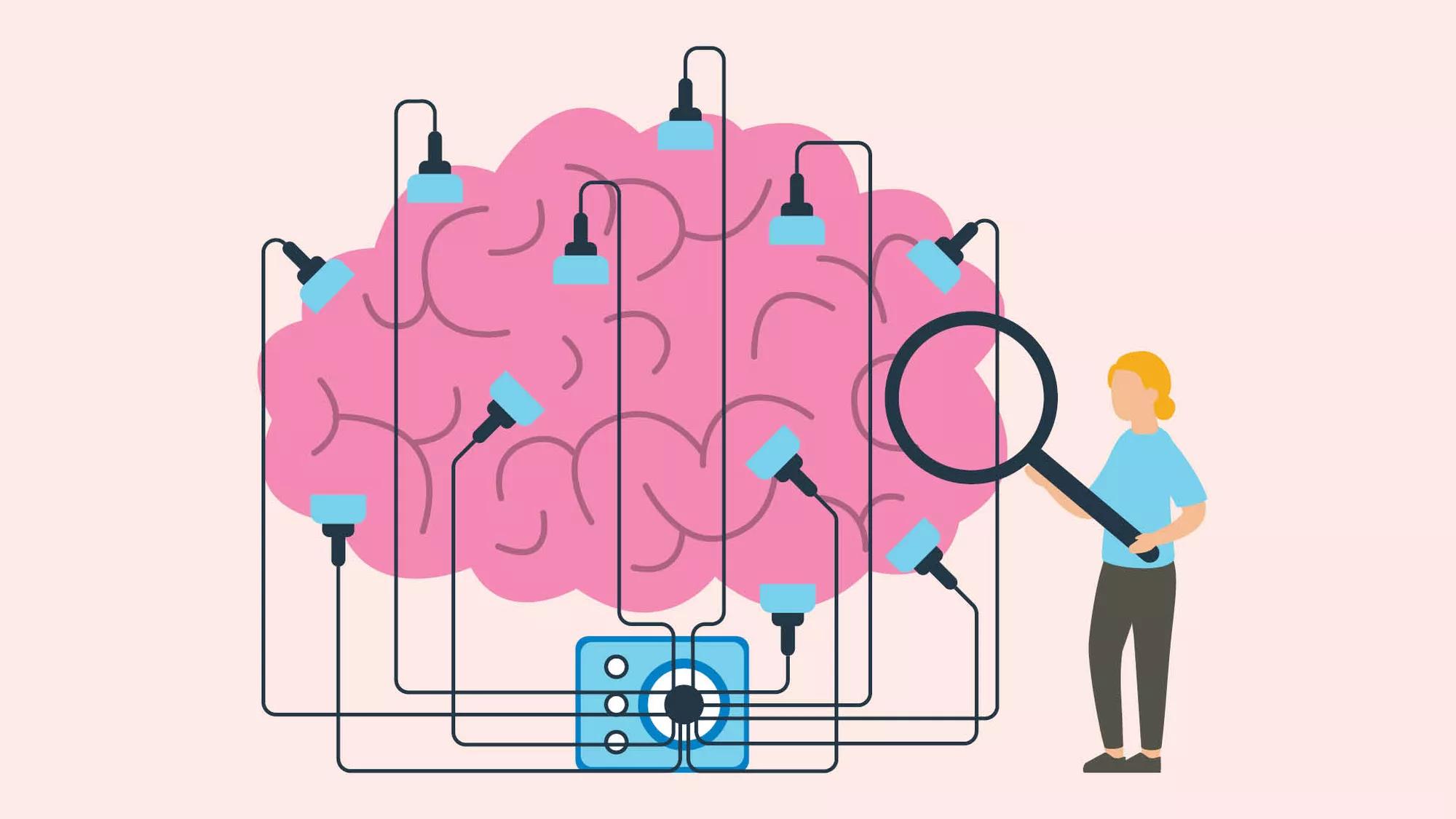
Popular wisdom holds we can ‘rewire’ our brains: after a stroke, after trauma, after learning a new skill, even with 10 minutes a day on the right app. The phrase is everywhere, offering something most of us want to believe: that when the brain suffers an assault, it can be restored with mechanical precision. But ‘rewiring’ is a risky metaphor. It borrows its confidence from engineering, where a faulty system can be repaired by swapping out the right component; it also smuggles that confidence into biology, where change is slower, messier and often incomplete. The phrase has become a cultural mantra that is easier to comprehend than the scientific term, neuroplasticity – the brain’s ability to change and form new neural connections throughout life.
But what does it really mean to ‘rewire’ the brain? Is it a helpful shorthand for describing the remarkable plasticity of our nervous system or has it become a misleading oversimplification that distorts our grasp of science?
After all, ‘rewiring your brain’ sounds like more than metaphor. It implies an engineering project: a system whose parts can be removed, replaced and optimised. The promise is both alluring and oddly mechanical. The metaphor actually did come from engineering. To an engineer, rewiring means replacing old and faulty circuits with new ones. As the vocabulary of technology crept into everyday life, it brought with it a new way of thinking about the human mind.
Medical roots of the phrase trace back to 1912, when the British surgeon W Deane Butcher compared the body’s neural system to a house’s electrical wiring, describing how nerves connect to muscles much like wires connect appliances to a power source. By the 1920s, the Harvard psychologist Leonard Troland was referring to the visual system as ‘an extremely intricate telegraphic system’, reinforcing the comparison between brain function and electrical networks.
The metaphor of rewiring also draws strength from changing theories in developmental neuroscience. The brain was thought to be largely static after childhood, becoming a fixed network of circuits, much like a hardwired radio. But beginning in the 1960s, researchers showed that the brain was far more adaptable. Stroke patients could regain function by recruiting new areas of the brain.
These findings revolutionised rehabilitation medicine. They also gave rise to an idea that would quickly leap beyond the clinic: if brains can rewire, then people can change.
More recently, the metaphor of neural rewiring has gained popularity alongside new imaging techniques like fMRI and PET scans, which allow researchers to see brain activity in ways never before possible. In studies of stroke recovery, clinicians often observe increased activation in brain regions adjacent to or distant from the area of damage. This is interpreted as the brain ‘rewiring’ itself to restore lost function. Popular science writers have embraced the metaphor as well, using it to explain everything from trauma healing to learning a second language.
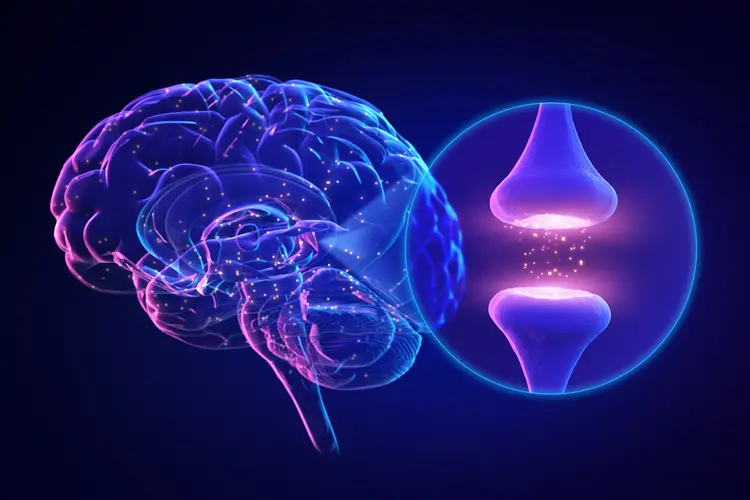
But unlike electrical wiring, which follows rigid, fixed paths, the brain’s connectivity is dynamic and constantly changing. Neurons form and prune synapses – the connections between them – in response to activity and environment, a process governed by complex biochemical signalling rather than simple rerouting. Even when we can map the parts, the picture doesn’t explain the self. As late as 2013, Francis Collins, the then-director of the US National Institutes of Health (NIH), complained about studies on mapping the brain, in an interview with NPR (US National Public Radio): ‘It’d be like, you know, taking your laptop and prying the top off and staring at the parts inside, you’d be able to say, yeah, this is connected to that, but you wouldn’t know how it worked.’
To evaluate the metaphor, it’s important to grasp how brain plasticity actually works. We already know a lot about the brain’s remarkable ability to reorganise itself throughout life by forming new neural connections, strengthening existing ones or rerouting functions to undamaged areas. But the logic of neuroplasticity isn’t the same as swapping one wire with another. It’s more like a living forest where paths are gradually worn or abandoned based on use. It involves changes at the cellular level and can occur in response to learning, memory, sensory input and trauma. Importantly, while neuroplasticity is a lifelong feature of the brain, it is more robust during youth and becomes more effort-dependent with age.
This capacity allows the brain to adapt to new experiences, recover from injuries, learn new information and compensate for lost functions. Neuroplasticity is real, but it’s not magic. It has limits. It requires effort. And it doesn’t always result in perfect recovery or transformation.
Unlike rewiring a machine, plasticity is not as simple as replacing parts. It’s a gradual process and is often inefficient. Synapses, which pass signals between neurons, strengthen or weaken. New dendritic branches – neurons’ treelike extensions – grow while others retract. Entire networks shift their activity over time, but only under the right conditions, and these changes accumulate to support new patterns of function while overall mechanisms become less efficient across the lifespan.
Plasticity is conditional, uneven and shaped by circumstance, not wishful thinking
Plasticity happens throughout life, but it’s shaped by many factors: age, environment, repetition, rest, nutrition and emotional state. For example: with months of targeted physical therapy, a stroke survivor can regain movement in a limb by recruiting healthier networks; with intensive, structured practice, a child with dyslexia can gradually develop new reading pathways; and reading braille requires extensive practice and is instrumental in changing relevant brain regions.
In cases of childhood trauma, certain survival pathways, such as hypervigilance or emotional detachment, may become dominant and reinforced over time. Later in life, therapy may promote the strengthening of alternative circuits related to trust, emotional regulation or self-awareness. But the old pathways aren’t necessarily erased. They remain in the background, potentially reactivated under stress. The idea that the brain is ‘rewired’ to function in a healthier way may offer hope, but it oversimplifies the reality. We build new trails, but the old ones don’t necessarily disappear.
Experience is a major force in shaping the nervous system. But, as the neuroscientists Bryan Kolb and Ian Whishaw argue in their widely cited review of brain plasticity, it always works in context. Over a lifetime, experience ‘alters the synaptic organisation of the brain’, but the brain’s response is also shaped by age, hormones, trophic factors (support proteins), stress, and illness or injury. And because the neocortex can ‘modify its function throughout one’s lifetime’, the same experience can leave different traces in different bodies, at different ages. Kolb and Whishaw capture the broader principle in a line worth keeping: ‘experience can modify brain structure long after brain development is complete’, and those physical changes are widely thought to be part of how memories are stored. In other words, plasticity is conditional, uneven and shaped by circumstance, not wishful thinking.
The same review paper makes a critical observation based on careful studies of rats recovering from injury: the evidence suggests that what looks like recovery at first glance is often the brain finding a workaround. In their words, ‘much of what appears … to be recovery is actually a compensatory substitution of new movements for lost movements.’ In plain terms, the brain is often building a detour, not restoring the same old route.
The fact that neurons can expand their reach means that, if some of them die, others may broaden their territory to make up for lost processing. In general, the more connections a neuron has, the more it can shape behaviour.
Beyond this, a feedback loop seems to be at work. There is evidence that the environment can change which genes are switched on in the adult brain. One likely route runs through neural activity shaped by experience. Novel experience causes neurons to fire in new patterns; and those neurons in turn can trigger gene programmes that support dendritic and synaptic growth – structural changes that can, over time, shift behaviour. Some of these genes are known to be associated with learning and memory; others are linked to age-related memory deficits. So enrichment can certainly support the brain.
Examples of neuroplasticity abound. During my neurology residency, one of my teachers, a highly specialised neuro-ophthalmologist, demonstrated the adaptability of the brain in a dramatic way. He recreated an informal experiment on himself by wearing glasses that flipped his visual field upside down. At first, he was disoriented. But within weeks, his brain recalibrated, and he was able to function normally in his environment. Even more remarkable was the re-adaptation that occurred when he removed the glasses; his world once again appeared inverted, and it took additional time for his perception to return to baseline. He later recreated another experiment by repeating the process with another set of glasses that reversed left and right, and he reported that this lateral inversion was far more difficult for the brain to compensate for than the vertical one. The experiment demonstrates how the brain adapts by recalibration rather than by restoring an original state, treating the altered input as normal over time.
The ability to alter speech is another testament to the plasticity of the brain. One fascinating distinction in neuroscience is that speech and singing use different neural pathways. For example, some well-known singers stutter when speaking but not when singing. Elvis Presley famously had a stutter that disappeared when he sang. Ed Sheeran also stuttered as a child and tried many techniques to overcome it. Nothing worked, until, at age nine, he began rapping along to an Eminem album. Through repetition, his fluency improved. Similarly, the country singer Mel Tillis spoke with a stutter but sang fluidly. In each case, fluency emerges not through repair but through recruitment of alternative circuits.
There’s also the curious case of singers who speak with strong accents but who lose them when they sing. Examples include Ozzy Osbourne, Adele, Ed Sheeran, ABBA and Freddie Mercury. Singing slows speech, elongates vowels and reduces accent markers. Many artists adopt American accents in songs due to the US roots of pop and rock music. The shift again reflects a change in network engagement rather than a permanent alteration of underlying language systems.
Across the lifespan, brains that are challenged tend to retain greater flexibility
This difference between speech and song forms the basis of a therapeutic approach known as melodic intonation therapy (MIT). It’s often used with patients suffering from non-fluent aphasia after a stroke, that is, those who can’t speak due to damage in the brain’s speech centres. In MIT, patients sing familiar childhood songs deeply encoded in emotional memory. Remarkably, they are often able to sing words and phrases they cannot otherwise speak. With repetition, speech improves. This is because singing activates preserved right-brain circuits, creating alternative pathways that gradually strengthen the brain’s overall language network. The gain comes through detour and reinforcement, not restoration of the damaged pathway.
Recent research suggests that addiction may, in part, be a wiring issue in the brain. One promising treatment is transcranial magnetic stimulation (TMS), a noninvasive therapy that uses powerful magnetic pulses discharged above the skull to activate specific brain regions. Depending on where the stimulation is applied, it can trigger muscle movement or, more significantly, influence behaviour.
Two leading theories for the potential of TMS have emerged. One proposes that addiction stems from insufficient or underactive brain wiring, like that which occurs in stroke patients, and that stimulation reactivates dormant circuits. The other – more consistent with what we see in rehabilitation – suggests that damaged or dysregulated circuits are bypassed by strengthening alternative pathways, effectively rerouting brain activity. This ‘detour’ mechanism has been observed in stroke rehabilitation and may apply to addiction as well. TMS has been used in patients addicted to cocaine, and early evidence suggests that several weeks of treatment may be effective in reducing cravings and use.
While neuroplasticity resists shortcuts, it does respond to sustained engagement. Across the lifespan, brains that are challenged – cognitively, socially, physically – tend to retain greater flexibility than those that are not. This is not because any single activity ‘rewires’ a specific circuit, but because varied, effortful experiences repeatedly recruit overlapping networks: attention, memory, movement, emotion. Learning a new language, for example, activates distributed regions across both hemispheres, linking auditory perception, working memory, and executive control. Playing a musical instrument does something similar, coupling fine motor coordination with timing, prediction, and emotional recall. Over time, these demands encourage structural and functional changes that support what neuroscientists call cognitive reserve: the brain’s ability to compensate when injury or degeneration occurs.
The same principle applies beyond formal learning. Singing engages breath, rhythm, language and affect in ways that ordinary speech does not, which is why it can support recovery in some stroke and Parkinson’s patients. Physical activity – especially aerobic exercise – improves cerebral blood flow and is associated with changes in the volume of the hippocampus, a region critical for turning short-term memory into long-term memory. It’s also one of the few brain regions where new neurons are generated in adulthood. Social interaction recruits emotional and linguistic circuits simultaneously, offering a kind of neural cross-training that solitary exercises cannot. Even seemingly modest skills, such as learning to juggle, have been shown to induce measurable changes in grey matter after weeks of practice. None of these activities function as targeted neural ‘fixes’. Their value lies instead in repetition, novelty and sustained effort – the slow conditions under which plasticity operates. They do not override biology but work with it, nudging the brain toward adaptation rather than transformation.
Given what we know about brain plasticity, the overarching claims of brain rewiring often misrepresent both the pace and the nature of neural change. In his guide Rewire Your Brain: Think Your Way to a Better Life (2010), the psychologist John B Arden declares that our brains are not ‘hardwired’ but rather ‘soft-wired’ by experience, and promises strategies to help readers ‘rewire’ their brains so that they can ‘feel calm and positive’ and ‘enhance’ their relationships. The neurologist Philippe Douyon’s book Neuroplasticity: Your Brain’s Superpower: Change Your Brain and Change Your Life (2019) explores how ‘we can give our brains exactly what they need to adapt, heal, and thrive’. The language varies, but the promise is consistent: targeted practices can reliably produce targeted psychological outcomes.
Then there are the brain-rewiring apps. An apt example is Quit Addiction – Rewire Brain, which is geared toward breaking addictions like smoking, vaping or alcohol by combining habit-tracking, motivation tools and progress-monitoring in order to ‘rewire your brain for lasting change’. Across platforms, the metaphor suggests speed, precision and personal control – qualities that biology itself rarely affords.
And TED Talks can overstate the case. As the neuroscientist Michael Merzenich explained in his presentation in 2004, the brain’s circuitry is not fixed: the adult brain, in fact, retains a ‘lifelong capacity for plasticity’ which ‘is powerfully expressed’. He later described what takes place within the brain:
There are 15 or 20 cortical areas that are changed specifically when you learn a simple skill … It represents the change, in a reliable way, of the responses of tens of millions, possibly hundreds of millions, of neurons in your brain. It represents changes in hundreds of millions, possibly billions, of synaptic connections in your brain.
The science is sound, but its popular reception often strips away the conditions – time, repetition, constraint – under which such change occurs.
To be ‘rewired’ suggests an all-or-nothing overhaul rather than nuanced progression
Merzenich traced this discovery from critical periods in early childhood (when language and vision are calibrated) to adult therapies that retrain neural maps for speech and reading disorders. The key message was simple and striking: plasticity never switches off; it can be accomplished well into adulthood.
More than a decade later, the neuroscientist Don Vaughn took the stage at TEDxUCLA with a more applied vision. In ‘Neurohacking: Rewiring Your Brain’ (2015), he showcased how emerging tools allow people to consciously shape that plasticity. He described patients receiving non-invasive brain stimulation for depression, parents using apps that translate baby cries into visual signals, and volunteers who learned to self-modulate their brain rhythms through neurofeedback. ‘If we can rewire your brain using devices, would it at all be possible to help your brain rewire itself with just your own thoughts?’ The question captures the cultural leap – from biological possibility to personal mastery.
Taken together, Merzenich’s foundational science and Vaughn’s demonstrations underscore why the phrase ‘rewiring the brain’ has become so potent in popular culture: it gestures not only to the metaphorical promise of self-improvement but also to a concrete, testable biology – the brain’s architecture is malleable and, under the right conditions, it can be reshaped. Yet embedded in these slogans are sweeping assumptions about how the brain works, assumptions that are often oversimplified or outright incorrect. One is the idea of rapid transformation: when an app promises that a week of short audio lessons can ‘rewire’ the brain, it compresses the slow, cumulative processes of learning and adaptation into a quick-fix model. Another is that change is total; to be ‘rewired’ suggests an all-or-nothing overhaul rather than nuanced progression, as if old circuitry can be removed and replaced wholesale. A third is precision targeting, where the discourse tacitly promises that specific practices – such as gratitude exercises or productivity hacks – strike exactly the right neural pathways to produce specific psychological outcomes. All three assumptions resonate with our technological imagination; none align with the messy realities of neuroplasticity.
In short, the metaphor is powerful but problematic. It suggests that, no matter where someone begins their process, whether recovering from a head trauma or battling cognitive decline, the brain can snap back to normal. There’s a certain poetry to that idea. A reassurance that we are not static beings and that transformation is possible at any age.
There are contexts where this has value. It can help patients understand that their brains are not static or irreparably broken. It frames recovery as active rather than passive, encouraging participation in therapies that promote healing. Educators have also embraced the metaphor when teaching students. The idea that you can rewire your brain reinforces the possibility of learning and change. In clinical settings, it can reduce shame and fatalism.
However, for stroke survivors, the promise of rewiring can be both inspiring and unrealistic. Some regain remarkable function; others plateau despite intense therapy. In Alzheimer’s, the degenerative nature of the disease limits the brain’s plasticity. In such contexts, rewiring may imply a level of control or optimism that the brain itself does not always permit. Hope matters. But so does honesty.
Metaphors can motivate, but they can also mislead. The notion that someone can rewire their brain through sheer willpower, self-help books or 10 minutes of daily meditation risks turning serious neurological change into a gimmick. While cognitive behavioural therapy (CBT) and physical rehabilitation have strong evidence supporting their effects on brain function, these changes occur over time and have biological constraints.
The brain is not a circuit board. Changing it is not as simple as swapping a wire or updating software. ‘Rewiring’ implies speed and precision, a single tweak that creates a desired result; it implies that changes in the brain are mechanical and always possible, none of which is guaranteed. The reality of neuroplasticity is far messier: it’s a biological process that is incremental and frustratingly slow. And while science does support the idea that the brain can change, it also reminds us that change comes at a cost. It requires time and effort, and sometimes it ends in failure.
The metaphor turns healing into a moral achievement, and failure into a personal flaw
Here’s where the metaphor of rewiring starts to do damage. It suggests that brain changes are mechanical and under direct conscious control. But in practice, brain changes are nonlinear. Most often they are unconscious and deeply tied to emotion and new behaviour.
One common myth is that a single realisation or decision can ‘rewire’ you. In truth, even profound insights rarely result in lasting neural change unless reinforced by repetition and behaviour. Another is that you can eliminate trauma responses by replacing them. But trauma alters deep, limbic structures that don’t ‘recode’ easily. They adapt, yes, but only slowly and not always completely.
There’s also the misconception that anyone can change anything if they just try hard enough. But not all brains have the same capacity or conditions for change. There’s a dark side to the optimism around brain change. When the metaphor of rewiring is oversold, it can create false expectations. It oversimplifies. And in doing so, it runs the risk of making people feel broken when their transformation isn’t instant or complete.
If rewiring is easy, then why haven’t you fixed your depression? If brain change is automatic with the right programme, then why are you still struggling?
This thinking can be cruel. It ignores several factors – from the social to the environmental to the genetic – that shape and constrain neuroplasticity, many of which are only partially understood. It turns healing into a moral achievement, and failure into a personal flaw. Some therapy models and self-help programmes lean into this pressure, implying that full transformation is just a matter of effort. But science tells a different story: change is possible, yes. But it’s constrained by biology and shaped by context.
I’ve seen patients blame themselves when neuroplasticity didn’t yield a cure. People grasp at therapies that promise to rewire away disease. The language of neuroscience is being used to justify everything from educational policy to digital detox programmes with little regard for the underlying data.
None of this is to say that neuroplasticity doesn’t exist. It does. Stroke recovery, phantom limb sensation, chronic pain syndromes and even language acquisition in adults all bear its fingerprints. What’s needed is precision. Scientists must be careful with their words. Clinicians must draw clearer boundaries between science and metaphor. And the public must be equipped to discern between poetic licence and peer-reviewed truth.
What we really need is a more honest, but still hopeful, view of brain change.
If not ‘rewiring’, then what? Perhaps the better metaphor is not a machine being repaired but a landscape being reshaped. Neuroplasticity resembles erosion and regrowth: some paths deepen, others fade, and change unfolds unevenly over time.
Neuroplasticity is a remarkable capacity. It offers real hope for recovery, adaptation and growth. But it requires patience, structure, repetition and support. It is not a quick fix. It is a lifelong process that demands sustained engagement.
To honour the brain’s ability to change, we need to respect how it actually works. That means moving beyond buzzwords and shortcuts, and toward a language that reflects both the promise and the limits of biology. The brain’s capacity for change is one of the most hopeful discoveries in modern science – but that change comes not through clever metaphors or overnight programmes. It comes through effort, repetition and time. By tempering our metaphors with reality, we can help people pursue transformation with both hope and humility. Language matters. ‘Rewiring the brain’ began as a hopeful metaphor. Let’s not let it become a misleading one.
- Bloggery committed by chris tower - 2604.10 - 10:10
- Days ago: MOM = 3935 days ago & DAD = 589 days ago
- New note - On 1807.06, I ceased daily transmission of my Hey Mom feature after three years of daily conversations. I post Hey Mom blog entries on special occasions. I post the days since ("Days Ago") count on my blog each day, and now I have a second count for Days since my Dad died on August 28, 2024. I am now in the same time zone as Google! So, when I post at 10:10 a.m. PDT to coincide with the time of Mom's death, I am now actually posting late, so it's really 1:10 p.m. EDT. But I will continue to use the time stamp of 10:10 a.m. to remember the time of her death and sometimes 13:40 EDT for the time of Dad's death. The blog entry numbering in the title has changed to reflect total Sense of Doubt posts since I began the blog on 0705.04, which include Hey Mom posts, Daily Bowie posts, and Sense of Doubt posts. Hey Mom posts will still be numbered sequentially. New Hey Mom posts will use the same format as all the other Hey Mom posts; all other posts will feature this format seen here.
A Sense of Doubt blog post #4036 - Use Skinner's Law to Overcome Feeling Unmotivated
Before I start, I should mention that today is day 3900 since Mom died. I mark these occasions with at least a short reflection, and just 100 days from day 4000, which seems more significant. If for no other reason, I keep this count just to see the number get bigger and marvel at its size. It just feels wrong.
I am really battling to start things, to be productive, especially with things that I am resisting for one reason or another.
This battle does not mean that I am not productive. I am not idle. I am meeting deadlines and working through the things I need to work through.
But the motivation is not always there. In fact, with the school assignment that was due back on Wednesday, I had a real mental block to it. I just didn't want to do it. PROFOUNDLY. Like existential crisis, deep-seated unwillingness to do it.
This article stood out to me given my recent struggles.
However, I am not fully in favor of it, even though I am sharing it.
I am all for rewards for getting things done. I do reward myself. I will put off a thing I want to do, eat, experience, and reward myself with it when I finish the thing that I am resisting finishing.
Punishment? I am less interested in punishing myself for not doing something, like in the example below wagering that someone can have your Playstation if you fail to lose weight. For one thing, I don't have a Playstation. For another, I would never make such a wager.
Missing deadlines often come with their own form of punishment. For instance, in my class, I would lose 10% for being one day late. That's a punishment. And I even considered not submitting the assignment on time and taking that grade hit just because of how very much I did not want to do it. After all, the assignment was worth only 10 points in a class of 300 points total with the A set at 89.5% and above. In other words, I need at least 255 of those 300 points to earn an A. Obviously, there's lots of points left to earn. Sure, 10% of 10 points is only a single point, so that would not have been a significant grade hit.
Still, I did the assignment and submitted on time. I often find the motivation as the deadline approaches. This is why I posted three blog entries yesterday: Tuesday 3/3 - Thursday 3/5. I had put off working on my blog while I suffered the angst of not wanting to do what was actually not a difficult assignment. I also did not write any fiction for two days. Then, once finished, I did both things yesterday, completing three blog posts and writing fiction on my novel project.
Today, I have other work that needs doing, though nothing due today. I am stalling but I do not feel as unmotivated as I did earlier in the week. Probably the sense of achievement in finishing the assignment that I REALLY DID NOT WANT TO DO has fueled my fires at least somewhat. I feel more motivated. Not REALLY motivated, but better. Not as bad.
I am working around to a point. I promise.
Here it is.
This Skinner's Law stuff may work for you, and it may not.
As I think about how I am going to practice in the mental health space, how I am going to listen and respond to clients, I am very hesitant to apply a "one tool fits all" approach.
My own case demonstrates that finding motivation and overcoming resistance is a very individual thing. What worked for me may not work for others. For me, there was no magic trick. The thing was due Wednesday, so I did nothing else Wednesday but sit down and hammer away at the thing with increasing frustration (as I shared in yesterday's blog).
For others, the threat of having to give up one's expensive video game machine may have been the thing to spark the motivation.
Reverse today as I will dive into the assignments due Sunday later on after blogging, emailing, and writing.
It's all about selfcare. Doing what's needed to protect your mental health while also doing what needs to be done in life.
I am now living by the line that ENO said in the ENO movie (Tuesday's post):
We all OVER ESTIMATE what we can do in a day and UNDER ESTIMATE what we can do in ten years.
I have lived my whole life battling the tendency to OVER ESTIMATE what I can do in a day.
These days, at the end of the day, I often review just what I did, especially when beating myself up over the six things I didn't get done.
Some days are more productive than others, and one must make peace with that.
But even days with lower productivity than others days had productivity, and often, one accomplished more things than one realized because of the pain of not doing a bunch of other things.
Review the day. Feel pride in what you got done. Give yourself grace to do better if you really needed to get some things done and didn't. What changes can you make to be more productive the next day?
That's why GETTING THINGS DONE (GTD) is a great model for being productive by sorting tasks into those that need to be done with others in short and long term goal lists.
And some things can be done right away of they will only take a minute or two. This is how task switching comes into play. For instance, I just took a few minutes to answer an email while writing this blog entry. And then I felt a sense of accomplishment.
In the 18th century, Jeremy Bentham built his philosophy on the idea that humans are motivated by pain and pleasure, and this idea is supported by many social sciences today.
A concept called “Skinner’s Law,” named after the American behaviorist B. F. Skinner, suggests that we can manipulate our motivation by making the pain of not doing a task greater than the pain of doing it — or making the pleasure of doing it greater than the pleasure of not doing it.
In the 18th century, Jeremy Bentham built his philosophy on the idea that humans are motivated by pain and pleasure, and this idea is supported by many social sciences today.
A concept called “Skinner’s Law,” named after the American behaviorist B. F. Skinner, suggests that we can manipulate our motivation by making the pain of not doing a task greater than the pain of doing it — or making the pleasure of doing it greater than the pleasure of not doing it.
“Commitment devices,” such as setting up rewards or punishments for completing or not completing a task, can help us self-motivate and increase our chances of success.
In 1780, hunched over a table at his home in London, Jeremy Bentham wrote the first lines of the first chapter of one of his most famous works. It read, “Nature has placed mankind under the governance of two sovereign masters: pain and pleasure. It is for them alone to point out what we ought to do, as well as to determine what we shall do.”
The British philosopher built an entire philosophy around this idea — that we are all motivated by pleasure and pain. Lucky for him, then, that almost all of the social sciences today agree with him. We are a hedonistic, happiness-seeking species who fear the pain-inflicting monsters of the world. Under all the pretense and bravado, we can be reduced to the simple push-and-pull mechanisms of the carrot and stick. After we get over the humbling and demoralizing simplicity of this, we can learn a few valuable lessons. We can game our own mechanisms and manipulate our Benthamite sovereigns. We can do anything. It’s all to do with something the writer George Mack called “Skinner’s Law.”
According to Mack, Skinner’s Law is that when you are procrastinating or finding a task hard to get on with, you have two choices: either “make the pain of not doing it greater than the pain of doing it” or “make the pleasure of doing it greater than the pleasure of not doing it.” Since we know that we are only motivated by two things, we can use our higher, rational faculties to work that fact to our advantage. Skinner’s Law is named after B. F. Skinner, the American behaviorist who developed the idea of operant conditioning with his experiments on rats and pigeons. Skinner’s main argument was that human beings can, just as rats can, be conditioned to behave a certain way when given the correct pain-pleasure incentives.
The trick, then, is to set yourself pleasure rewards or pain punishments for doing (or not doing) a certain task. Essentially, there are two ways to motivate yourself: intrinsically or extrinsically. Intrinsic motivation is when you want to do something out of some inherent drive or desire. You might just want to eat pizza. Extrinsic motivation, though, is when you do something for some further benefit or reward (or to avoid a punishment). So, I don’t eat my pizza because I want to be trim for my beach holiday. The genius behind Skinner’s Law is that it turns our most powerful intrinsic motivator (pleasure) into an extrinsic reward.
Milkman told Big Think that these kinds of techniques are called commitment devices in the behavioral psychology literature. “It’s a tool for a person to self-motivate,” Milkman said. “It’s something where you opt in to creating an extrinsic reward system.” She described a study involving smokers trying to quit. There are two groups, each given the same “standard smoking cessation products,” but one group is also told “they will lose the money if they fail a nicotine urine test in six months. What they found was that it increases quit rates by about 30%.”
The strongest master
We know, then, that if we want to succeed in any task, we need to set compelling commitment devices to keep us on track or to raise the stakes. The next question is: How can we make the best kind of commitment device? Is it better to promise yourself pleasure or to threaten yourself with pain?
It turns out that pain is by far the stronger motivator. As Milkman told Big Think, “So [Daniel] Kahneman won the 2002 Nobel Prize for a theory called ‘Prospect Theory’. He and Amos [Tversky] showed that we find pain more motivating than equivalent pleasure. For example, if you lose $20, you’re more upset, and then if you find $20, you are happy. The pain outweighs the pleasure.”
Using all of this and Milkman’s advice, here are three practical bits of advice:
Make a wager: Find a friend or a family member, and bet them some sum of money or some item you value that you will do a certain thing. “Okay, Dad,” you might say, “if I’m not 5 pounds lighter by my birthday, you can have my PlayStation 5.” Ideally, place the “wager” in some kind of intermediary location so you can’t back out of the deal if you lose. Commitment devices only work if you can’t slip out of them.
Social accountability: Tell everyone you’re trying to do something. Tell them your target and your deadline. Keep people updated about your progress. This serves two purposes: to present the carrot and the stick. The carrot is that you get praise, support, and advice from your closest relatives. The stick is that you might be embarrassed or ashamed if you fail.
Avoid boredom: It’s easy to assume that boredom is some middle, neutral state somewhere between pleasure and pain—it’s just absence. But not according to Milkman. As she put it, “There is research to show a fundamental dislike of boredom. It causes us pain to be bored. In 2016, one study showed that when presented with a long, monotonous, and tedious film fragment, people would rather shock themselves than be bored. So, as a general rule, try to keep yourself busy. The devil makes work for idle hands; bored people do silly things.
- Bloggery committed by chris tower - 2603.06 - 10:10
- Days ago: MOM = 3900 days ago & DAD = 554 days ago
- New note - On 1807.06, I ceased daily transmission of my Hey Mom feature after three years of daily conversations. I post Hey Mom blog entries on special occasions. I post the days since ("Days Ago") count on my blog each day, and now I have a second count for Days since my Dad died on August 28, 2024. I am now in the same time zone as Google! So, when I post at 10:10 a.m. PDT to coincide with the time of Mom's death, I am now actually posting late, so it's really 1:10 p.m. EDT. But I will continue to use the time stamp of 10:10 a.m. to remember the time of her death and sometimes 13:40 EDT for the time of Dad's death. The blog entry numbering in the title has changed to reflect total Sense of Doubt posts since I began the blog on 0705.04, which include Hey Mom posts, Daily Bowie posts, and Sense of Doubt posts. Hey Mom posts will still be numbered sequentially. New Hey Mom posts will use the same format as all the other Hey Mom posts; all other posts will feature this format seen here.
A Sense of Doubt blog post #3824 - REVENGE - To Have It Or Not?
“Before you embark on a journey of revenge, dig two graves.” ~ Confucius
Recently, a situation occurred in my life for which I feel I have been betrayed by people I considered friends. The details do not matter. What matters is that I was very hurt by what happened, and so I contemplated striking back at those who hurt me. I fantasized about the various means at my disposal to serve retribution, hurting those who hurt me.
But I stopped myself from following through on any of those fantasies.
Vengeful. That's not who I am.
In fact, vengeance seems to be what was visited upon me, though those culpable surely don't see it that way. They think they are doing the right thing, the "moral" thing. They are largely and mostly full of absolute shit.
After all, I strongly believe in treating others how I want to be treated. I try not to hurt people, definitely not on purpose.
Practice kindness.
That's what I strive for.
So, taking a road that seems higher than theirs. Not returning evil for their evil.
This choice feels healthy and right.
When I contemplate getting revenge on those who have wronged me, I am always reminded of the words from the closing of the church services through some of my childhood, teen, and early adult years:
DO NOT RETURN EVIL FOR EVIL
Since my main guiding principle is kindness and THE GOLDEN RULE (treating others as I would like to be treated), as satisfying as it may feel in the short term, seeking revenge violates my main belief system. It's not who I am.
And usually, if I am thinking of ways to hurt those who have hurt me, in taking action that would hurt them, I am stooping to their level. I am doing the very thing that I feel is wrong, the thing that they did that I would not have done to them.
I am better than that.
It's funny (like a weird coincidence "funny") that when I conceived of this post, I receive this email from SLATE, proclaiming that it's "Revenge Week."
Who knew?
Following are some shares though not the one from VOX because of a pay wall.
Seeking revenge may lead to a cycle of seeking revenge.
Revengeful thoughts and behavior are a temporary distraction from underlying suffering.
There are many factors that challenge letting go of revenge, including certain cultural influences.
Moving past revenge frees up energy to direct attention to personal goals and aspirations.
“Before you embark on a journey of revenge, dig two graves.” ~ Confucius
Carla was referred to my anger-management class after being involved in a physical altercation with Regina, a driver who rear-ended her car during rush hour traffic. Although not injured, Carla was startled and immediately jumped out of the car to see the damage to her car. Regina simultaneously left her car. Carla’s car experienced major damage to the bumper as well as a huge dent to the rear of the trunk.
As their tempers soared, the two women yelled at each other and. Regina slapped Carla, who in turn, became more infuriated. Without restraint, Carla punched Regina to the ground and then kicked her in the stomach and head. Carla was subsequently arrested for aggravated assault. “I wasn’t going to let her get away with what she did to me, especially in front of that crowd!”
The cycle of revenge
Revenge is personal, powerfully driven by emotion. The motivation for revenge might be initially fueled by anger, but it is ultimately powered by anticipated satisfaction or enjoyment. A powerful driving force for revenge is the belief that acting out the desire for revenge will provide an emotional release, that it will help us feel better.
However, studies have found that while there may be initial satisfaction, revenge actually perpetuates the pain of the original offense (Price, 2009). Additionally, it often creates a cycle of retaliation, with the victim citing the most recent offense as yet another justification for further revenge. In effect, revengeful feelings and behaviors only train the brain to become more vulnerable to seek revenge.
This cycle was already a part of Carla’s past, influencing her quickness to be emotionally overwhelmed and to seek revenge. Prior to her recent altercation, she had endured many wounds about which she carried much resentment and hostility. Not having sufficiently mourned and grieved these wounds, Carla was left more vulnerable to impulsively react rather than respond to a grievance. In effect, the encounter with Regina was a “last straw” triggering event that catapulted her into her emotionally driven reaction, lacking the restraint of rational judgment.
Carla’s outrage fueled her initial behavior, but it was in fact motivated by a need to feel powerful vs powerless, adequate vs inadequate, and secure vs vulnerable. The fact that a small crowd had assembled further influenced Carla’s need to inflate her ego, boosting her self-perception in the eyes of the onlookers.
The motivation for revenge
Seeking revenge is often an initial human response to wounds incurred at the hands of others. When focusing on revenge, we may be driven by a sense of rectifying whatever has caused pain.
However, focusing on revenge is a distraction from fully experiencing the pain resulting from the offense. Ruminating about or acting on revenge involves a temporary orientation of our attention outward that competes with and overshadows our turning inward. Yet, it is only when we turn inward that we encounter the intense suffering regarding what has happened.
The comparative suffering hypothesis holds that victims of an offense receive satisfaction when they experience the offender as suffering. The understanding hypothesis states that revenge can only be satisfactory when the offender understands it as a response to his behavior. One study found that the understanding hypothesis was more often the driving force regarding victim satisfaction (Gollwitzer, Meder, Schmitt, 2010). Some observe that the primary satisfaction of revenge occurs when the offender shows an expression of pain (Eder, Mitschke, Gollwitzer, 2020).
Carla could have focused her attention on seeking punishment rather than revenge. While revenge might be viewed as the same as punishment, punishment is often an objective consequence for a behavior, sometimes assigned by a third party. For example, insurance companies might assess the collision and assign responsibility to one of the drivers. The courts might be involved in order to determine responsibility for the accident as well as to determine consequences for any physical altercation.
Holding onto thoughts of revenge is often a derivative of holding onto anger. I’ve found this to be true with almost all of my clients who experience trait anger—an ongoing disposition toward anger and hostility. Additionally, some victims of a transgression are more likely to be vengeful when they are highly anxious or depressed (Barcaccia, Salvati, Pallini, et. al., 2022).
Challenges to letting go of revenge
There are certainly contrasting opinions about the justification for revenge. We could follow phrases such as “an eye for an eye”. We could cite the many historical examples of individuals acting out their revenge, even when it resulted in greater suffering for them in the long term. This is another aspect of attention to revenge: It can blind us to the long-term impact on ourselves. In effect, taking revenge may not ultimately be in our best interest overall.
The problem is that revenge provides only a short-lived satisfaction. It does not really make up for the suffering we may experience and in fact only prolongs the enduring suffering of the original offense.
We live in a culture in which many individuals are currently focused on anger and revenge, a culture that emphasizes action rather than reflection, being impulsive rather than thoughtful, and quick to globally blame others for all of their suffering. This is further endorsed by political movements that thrive on anger and revenge. In fact, vengeful tendencies have been linked with two social attitudes: right-wing authoritarianism and social dominance and the motivational values that underlie these attitudes (McKee and Feather, 2008). As McKee states, individuals with such attitudes "tend to be less forgiving, less benevolent, and less focused on universal-connectedness-type values."
Moving beyond revenge
Reducing a tendency for revenge may be extremely challenging. It entails consciously mourning and grieving our pain with the intention that we can move on in our lives even though we’ve experienced a wound.
Some of my clients have stated that they often ask themselves what a religious or spiritual leader would identify as a guideline for their thoughts and behavior. Others think of loved ones and how being fueled by thoughts and behaviors regarding revenge make them less able to be present with them. Some strive to become their best selves. Those who practice self-compassion may evoke their wisdom to help them decide how best to manage a given situation.
Letting go of the desire for revenge requires strengthening our rational brain to override our emotional brain, an ability to show restraint even while we may wish for revenge. It calls for strengthening our capacity for forgiveness—of ourselves and others. This requires ongoing self-monitoring and commitment to change and, by doing so, developing a new default reaction to experiencing wounds. Additionally, channeling our attention toward the satisfaction of our personal core goals and aspirations frees us from bearing the weight of revenge. It helps us to move on in our lives—in spite of our wounds.
References
Price, M. (2009). Revenge and the people who seek it. Monitor, Vol. 40, (6), 34
Gollwitzer, M., Meder, M., and Schmitt, M. (2010). What gives victims satisfaction when they seek revenge? European Journal of Social Psychology, Vol. 41 (3), 364-374
Eder, A., Mitschke, V., and Gollwitzer, M. (2020). What stops revenge taking? Effects of observed emotional reactions on revenge seeking. Aggressive Behavior, Vol. 46 (4), 305-316
Barcaccia, B., Salvati, M., Pallini, S., et. al., (2022) The bitter taste of revenge: Negative affect, depression and anxiety. Current Psychology, Vol. 41 (4), 10.1007/s12144-020-00643-1
When someone hurts us, we might feel wounded or sad. We might feel angry and defensive. But sometimes those feelings turn into something more dangerous: a desire for revenge.
Wanting to right a perceived wrong is normal. But neuroscientists are now finding that revenge-seeking behavior can be a form of addiction.
Why does hurting those who have hurt us make us feel good, at least in the moment? And why does getting back at someone often backfire?
When someone hurts or betrays you, you might feel the urge to cause them distress in return, but take it from us - that is never a good idea.
Here are 7 reasons why seeking revenge is a bad idea:
1. It won't make you feel better.
It was Shakespeare that said, "If you prick us do we not bleed? If you tickle us do we not laugh? If you poison us do we not die? And if you wrong us shall we not revenge?" Revenge might seem like a logical - even inevitable reaction. You might be thinking that it will also provide great relief from the pain that you are feeling or some sort of satisfaction.
Sadly, evidence shows that people who seek revenge instead of forgiving or letting go, tend to feel worse in the long run. You are much better off channelling your energy into moving forward positively with your life.
2. In fact, it might make you feel worse.
I hate to break it to you, but if you consider yourself to be a decent human being, causing someone else distress or pain (whether you think they are deserving of it or not) might not put the smile on your face you were hoping for. In fact, it might make you feel worse; you might feel guilty, upset, regretful - and these kinds of feelings tend to linger and weigh heavy on your conscience.
While you might feel hurt or betrayed right now, eventually you will be able to put those feelings behind you, but if you burden your conscience with guilt, you are more likely to ruminate over your actions - this makes moving on much harder and only puts your life on hold.
3. It could backfire.
Gandhi once said, "An eye for an eye only ends up making the whole world blind." Think about the repercussions of your actions - you might end up in trouble with a teacher or parent for seeking revenge. You might even put yourself in harm's way.
What can really be gained? It is far better to save yourself from the possibility of further trauma. Focus on the good things in your life and look at how you can move forward, putting the person who hurt you firmly in the past.
4. You are wasting precious time.
Not to sound cliche but life is short! Do you really want to waste your precious time on someone that doesn't deserve it? Think of all the fun things you could be doing instead of acting like Mr. Burns and plotting, planning and focusing your energy on the negative.
How can you make way for new, positive experiences if you are preoccupied with wreaking havoc?
5. Because, karma.
Whether you believe in it or not, karma makes a much better friend than a foe - make sure to keep on the right side of it:
6. Two wrongs don't make a right.
Fact. Seeking revenge isn't going to undo the actions of the person who has wronged you. So do the right thing, be the bigger person - you will be glad you did so in the long run.
7. You could get caught in an endless revenge loop.
So, you seek revenge on the person who hurt you. They then take revenge on your revenge...and the cycle continues. Make sure you don't get caught in a loop, it will only cause you further pain and hurt. Try and leave negativity and people who bring you down in the past. They are not worth your time and energy.
- Bloggery committed by chris tower - 2508.07 - 10:10
- Days ago: MOM = 3689 days ago & DAD = 343 days ago
- New note - On 1807.06, I ceased daily transmission of my Hey Mom feature after three years of daily conversations. I post Hey Mom blog entries on special occasions. I post the days since ("Days Ago") count on my blog each day, and now I have a second count for Days since my Dad died on August 28, 2024. I am now in the same time zone as Google! So, when I post at 10:10 a.m. PDT to coincide with the time of Mom's death, I am now actually posting late, so it's really 1:10 p.m. EDT. But I will continue to use the time stamp of 10:10 a.m. to remember the time of her death and sometimes 13:40 EDT for the time of Dad's death. The blog entry numbering in the title has changed to reflect total Sense of Doubt posts since I began the blog on 0705.04, which include Hey Mom posts, Daily Bowie posts, and Sense of Doubt posts. Hey Mom posts will still be numbered sequentially. New Hey Mom posts will use the same format as all the other Hey Mom posts; all other posts will feature this format seen here.